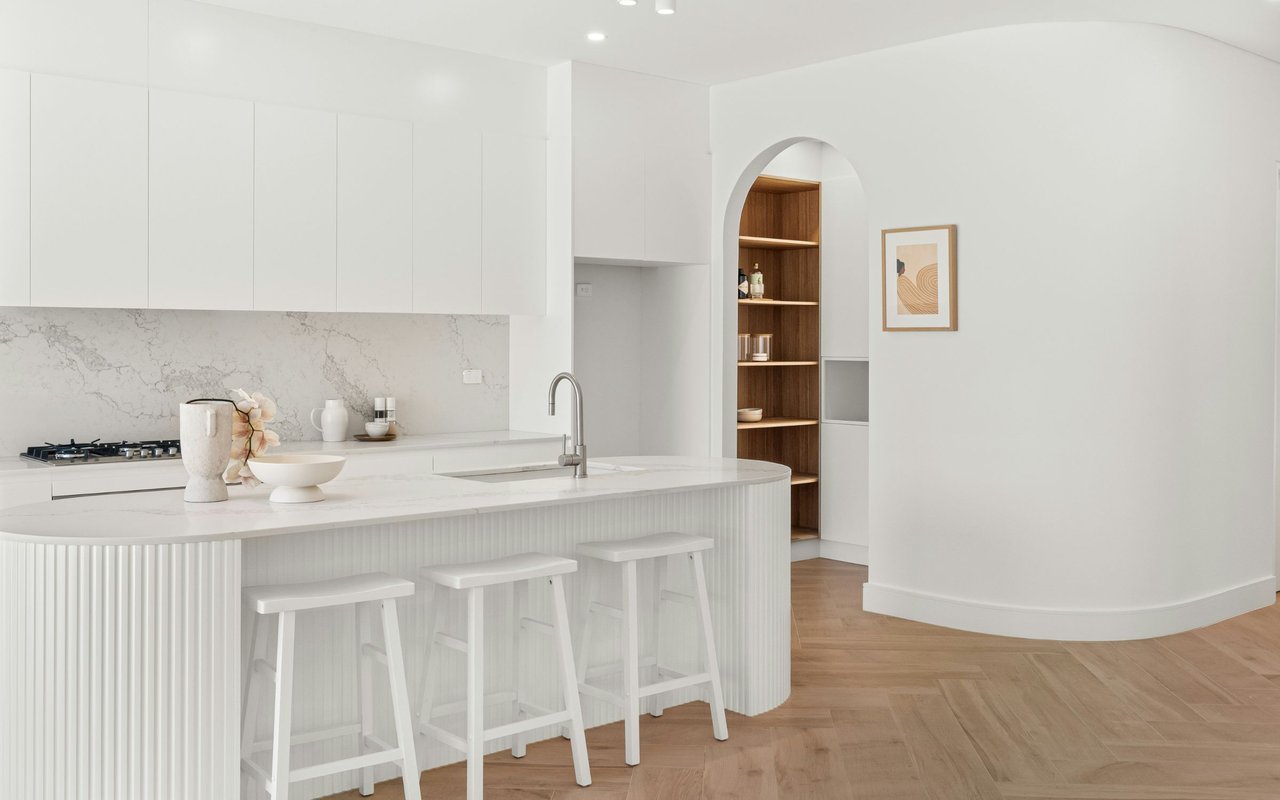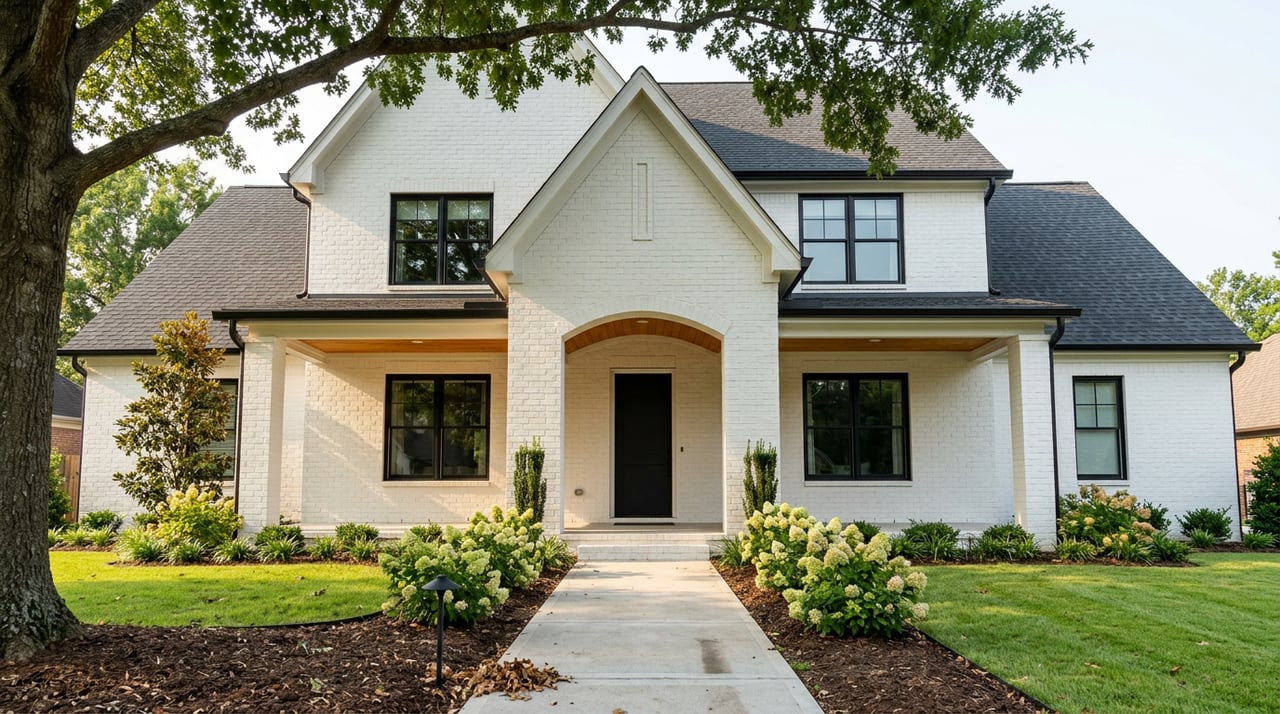
A seller in Traditions of Braselton does everything right. She pulls three closed comps from her section, prices two thousand dollars under the lowest one, and lists on a Thursday. Six showings in the first week, zero offers. Meanwhile, a new-construction home four streets over, smaller lot, similar square footage, goes under contract in eleven days. On paper the two homes looked like fair competitors. In practice they were never playing the same game.
The builder's home carried a sign that said "UP TO 20K INCENTIVES!" Another new listing in the same community, a Hillgrove Homes property, told buyers to "ask about our special preferred lender incentives." Neither offer changes the advertised price. The incentives may reduce a buyer's monthly payment or closing costs; some offers may include a year of golf membership. The list price remains the same, while the buyer may receive additional value.
That gap is the thing resale sellers in this community are not pricing for right now.
How Builder Incentives Affect the Effective Price
Traditions of Braselton is a 1,140-acre golf community that spans the Jefferson and Braselton line in Jackson County, built out in phases since 2004 with roughly a dozen builders working different sections at once. Right now those builders include Pulte Homes, Paran Homes, Hillgrove Homes, and Premier Residential Builders, among others, each running its own incentive playbook on its own remaining lots.
Premier Residential Builders is currently offering a 1 percent interest rate buydown for the first year on its homes in the community, priced from $734,275 to $744,850, plus a $2,500 credit for first responders and military buyers. Pulte's homes in the same neighborhood run $533,990 to $655,072, and Pulte's own marketing tells shoppers they "may benefit from builder incentives to reduce upfront costs or monthly payments." A few years back, when Northside Commons Homebuilders was finishing out its section, it bundled $7,500 in closing cost help and buydown funds with a $2,500 bonus, ten thousand dollars total, on homes that were fully complete and sitting empty. None of that shows up as a markdown. It shows up as a lower rate lock, a covered appraisal gap, a check the buyer never has to write.
This is not unique to one builder or one year. It is how production builders in this community have priced their remaining inventory for a while now, and it is still happening on active listings today.
How Builder Incentives Can Affect Buyers' Costs
These offers can be easy to overlook when resale sellers compare advertised prices. A buydown or closing credit does not lower the number a builder reports as a sale price to the county or to the MLS. It lowers what the buyer actually pays over the life of the loan or at the table. So when a resale seller checks recent sales in Traditions of Braselton and sees a new-construction home closed at $650,000, she is not seeing what that buyer actually paid to own the home. The sale may also have included a rate buydown, a closing credit, or both.
| What shows on the closing statement | What it actually costs the builder |
|---|---|
| Full list price, no visible discount | 1% first-year rate buydown (Premier Residential Builders) |
| Full list price, no visible discount | Up to $20,000 in stacked incentives (active 2026 listing) |
| Full list price, no visible discount | Preferred-lender credit, amount undisclosed (Hillgrove Homes) |
| $10,000 in incentives, no visible discount | $10,000 in direct incentives (Northside Commons, historical example) |
Resale sellers do not have a builder's preferred-lender incentives or builder margin to draw from. They can compete through the list price or by offering a closing-cost credit or rate buydown. When buyers compare a resale home asking $650,000 with new construction at a similar price, any available builder incentives are another factor to consider.
What January's Median Can Tell Sellers
A related market pattern shows up in the community's own sales data. In January 2026, home sales inside Traditions of Braselton fell 60 percent in volume compared to the same month a year earlier, while the median sale price jumped 56.5 percent, from $580,000 to $907,450.
Read quickly, that looks like the market got hot. Read carefully, it is closer to the opposite. When only a handful of homes close in a month, the median stops describing "the market" and starts describing whichever few homes happened to sell. If those few are concentrated in the community's newer, larger-lot sections such as The Sanctuary, where custom homes start in the $700,000s and climb past a million, a builder sale in that price band can influence the month's median without a single resale home changing hands at a higher price than before.
A seller should not assume that their own home appreciated at anything close to that rate based on the community-wide median alone. The community currently has around 70 single-family homes on the market with an average list price near $709,000 and average square footage of 3,659, well above the county average of 2,911. That spread of size and price means a handful of large, incentive-heavy new builds can move the median far more than they move the value of any individual resale home.
What Actually Works Right Now
The good news is that resale sellers are not without tools. They just need different ones than a builder uses.
Match the mechanism, not the price. A seller who cuts $10,000 off list price is training every future buyer to assume there is more room to negotiate. A seller who instead offers $10,000 toward closing costs or a rate buydown is doing what the builder does, lowering the buyer's monthly number without signaling weakness on the listing itself.
Sell the calendar. A builder's incentive often comes bundled with a wait for permits, inspections, and a certificate of occupancy before move-in. A resale home in Traditions of Braselton is move-in ready today, with mature landscaping and an established HOA track record instead of a construction zone next door. For a buyer who needs to be in before a school year starts or a lease ends, that is worth real money, even if it never appears in a spreadsheet.
Some sellers are already borrowing the builder's own vocabulary. One resale listing in the community currently markets itself with a trade-in guarantee, promising to buy the seller's current home so they can move without a contingent sale slowing them down. That is the same instinct that drives a builder's buydown: remove friction for the buyer, even if it costs something to do it.
Know what is active before you price. Incentive terms change by section and by builder, sometimes month to month. A seller who prices against last quarter's comps without checking whether the new-construction home down the street is currently advertising 20,000 dollars in incentives is negotiating half blind.
Frequently Asked Questions
Does offering a closing cost credit count against me the way a price cut does? Not in the way most buyers read it. A price cut on the public listing can suggest the home was overpriced. A credit offered at the negotiating table reads as flexibility, not a correction, and it is the same tool builders use every day.
How do I find out what incentives are active in my section right now? Incentive terms live on individual builder pages and change often, sometimes faster than portal data updates. A local agent who tracks the community section by section can tell you what is live this month, not last quarter.
Is the whole community overpriced right now because of that January median? No. The January number reflects a handful of closings, not a shift in what every home in the neighborhood is worth. It is a reminder to look at your specific section and comparable lot size rather than the community-wide headline.
If you own a home in Traditions of Braselton, or anywhere else in the Braselton area, and you want a pricing strategy built around what is actually happening lot by lot instead of what a portal median suggests, Gary Nix has spent more than 25 years pricing homes against exactly this kind of local noise. Reach out before setting a list price without accounting for current builder incentives.